Urological screening and diagnostic tests aim to detect disease early, characterise symptoms, guide treatment choices and monitor response or recurrence. The specific tests selected depend on the presenting problem such as blood in the urine (haematuria), recurrent infections, lower urinary tract symptoms (LUTS), pain or suspected cancer.
First‑Line Tests
Initial assessment commonly includes urine analysis and culture to detect infection or blood, and blood tests such as renal function (creatinine/eGFR) and prostate‑specific antigen (PSA) when clinically indicated.
PSA
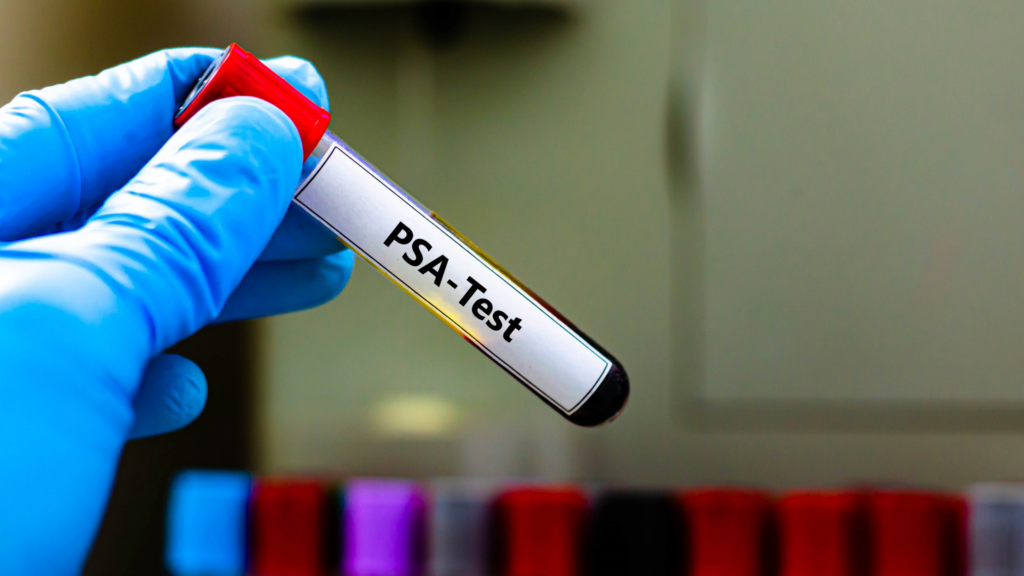
Prostate‑specific antigen (PSA) is a protein made by the prostate and measured with a simple blood test. It is commonly used as a tool to assess prostate health and to help detect prostate cancer at an early stage. However, a raised PSA does not automatically mean cancer. Levels can rise for many harmless reasons, including prostate enlargement, infection, recent ejaculation or even activities such as cycling. PSA is best understood as an indicator rather than a diagnosis. When a PSA result is higher than expected, Mr Charitopoulos will consider your age, symptoms and examination findings, and may suggest repeating the test or arranging further checks such as an MRI scan. Used in this way, PSA is a helpful guide for identifying men who may benefit from closer assessment or monitoring over time.
Imaging
- Ultrasound is a frequent first‑line imaging modality for the kidneys, bladder and prostate because it is non‑invasive and radiation‑free.
- CT (non‑contrast CT KUB) is the gold standard for suspected renal colic and assessing stone burden.
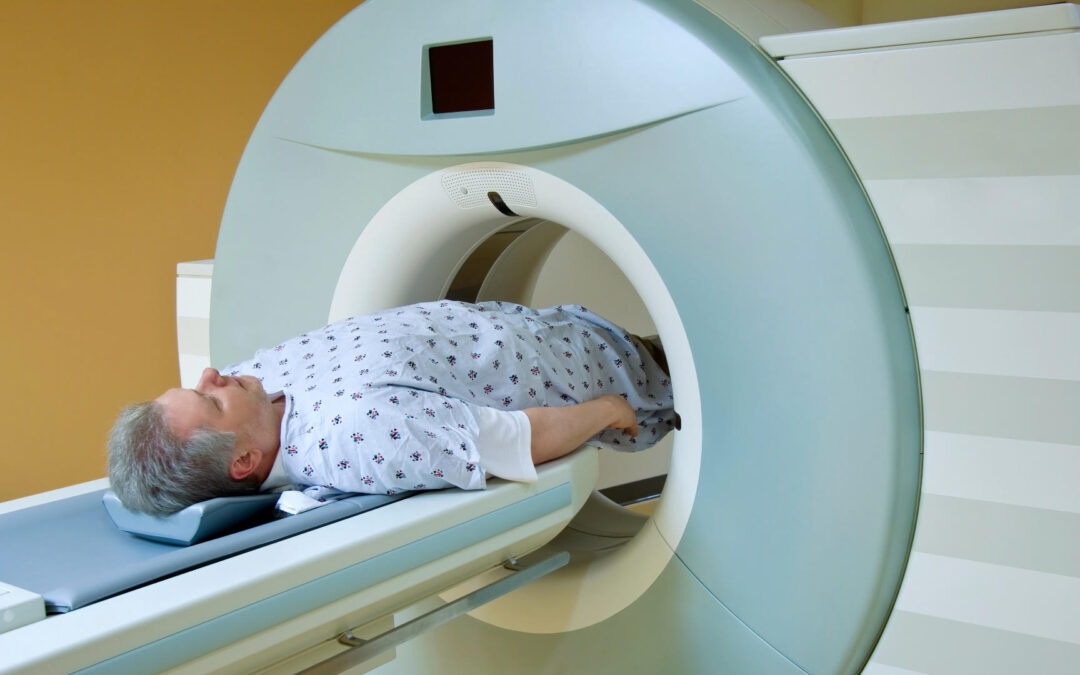
- Multiparametric MRI is increasingly used for prostate cancer risk stratification and targeted biopsy planning. Multiparametric MRI (mpMRI) of the prostate is a detailed, non‑invasive scan that involves lying still in an MRI scanner while a series of images are taken, there are no instruments or radiation. The scan usually takes around 45 minutes and may include an injection of contrast dye to improve image clarity. MRI does not diagnose cancer on its own, but it helps determine whether a biopsy is needed and, if so, guides the biopsy to the most important areas. For many men, a reassuring MRI can safely avoid unnecessary procedures, making it a key part of modern prostate assessment.
Endoscopic Tests
- Cystoscopy (flexible or rigid) allows direct visual inspection of the urethra and bladder. It is a key test for investigating visible haematuria, recurrent bladder symptoms or suspected bladder lesions.
- Ureteroscopy provides endoscopic access to the ureter and kidney for diagnosing and treating stones or tumours.
Functional and Specialised Studies
When symptoms suggest storage or voiding dysfunction, urodynamic testing (cystometry, pressure‑flow studies) and uroflowmetry objectively assess bladder behaviour and outflow obstruction. These tests guide management of incontinence, neurogenic bladder or complex LUTS. Penile Doppler ultrasound and endocrine tests are used selectively in the assessment of erectile dysfunction.
Biopsy and Pathology
Tissue diagnosis remains essential when malignancy is suspected. Prostate biopsy (often MRI‑targeted) and bladder biopsy taken during cystoscopy provide histological confirmation and grading, which are crucial for planning oncological treatment.