
TURP (Transurethral Resection of the Prostate)
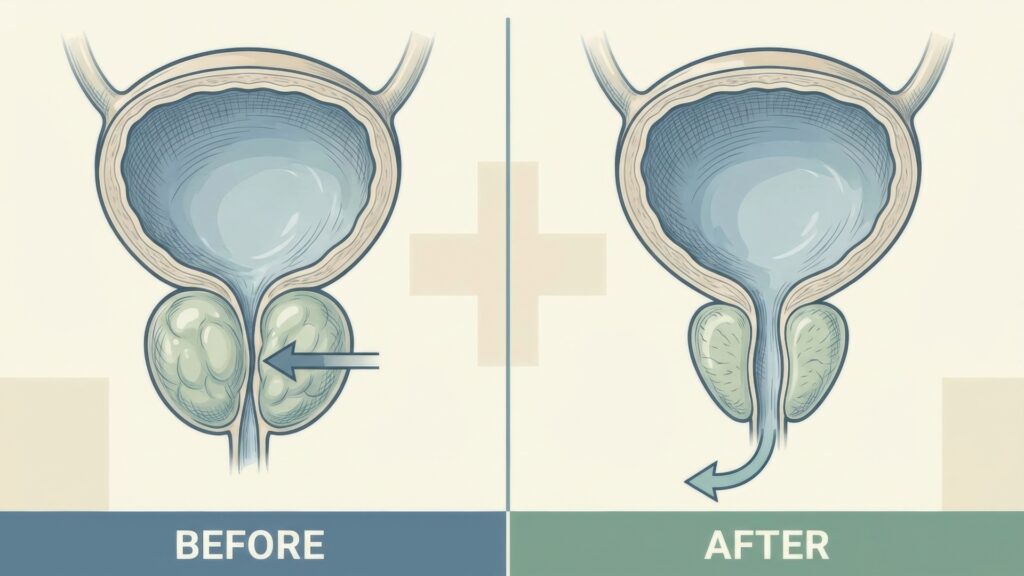
Bipolar TURP is a well‑established, minimally invasive operation used to relieve urinary symptoms caused by an enlarged prostate (benign prostatic hyperplasia, BPH). During the procedure, a small telescope is passed through the urethra and a specialised bipolar loop removes the obstructing prostate tissue from the inside, creating a wider channel for urine to flow. There are no external cuts, and the technique allows excellent control of bleeding. Most men experience a marked improvement in flow, bladder emptying and quality of life. It is considered the gold standard in benign prostate surgery due to its long-term results.
Patient information leaflet: https://www.baus.org.uk/_userfiles/pages/files/Patients/Leaflets/TURP%20for%20benign.pdf

Botox Intravesical Injections
Botox injections into the bladder are used to treat overactive bladder and urgency incontinence when medications and conservative treatments have not been effective. During the procedure, a small telescope is passed into the bladder and tiny injections of Botox are placed into the bladder wall. This relaxes the bladder muscle, reducing urgency, frequency and leakage. The procedure is quick, usually done under local or light anaesthetic, and most people return to normal activity the next day. The effect develops over 1–2 weeks and typically lasts 6–9 months. A small proportion of patients may need temporary self‑catheterisation if the bladder becomes too relaxed, but this is uncommon.
Patient information leaflet:
https://www.baus.org.uk/_userfiles/pages/files/patients/leaflets/Botox.pdf

Circumcision

Circumcision is the surgical removal of the foreskin and is performed for medical reasons such as phimosis (tight foreskin), recurrent infections or inflammation. The procedure is carried out under local or general anaesthetic and involves removing the foreskin and securing the remaining skin with dissolvable stitches. Healing is usually straightforward, and the operation provides long‑term relief from symptoms.
Patient information leaflet:
https://www.baus.org.uk/_userfiles/pages/files/patients/leaflets/Circumcision.pdf

Cystoscopy
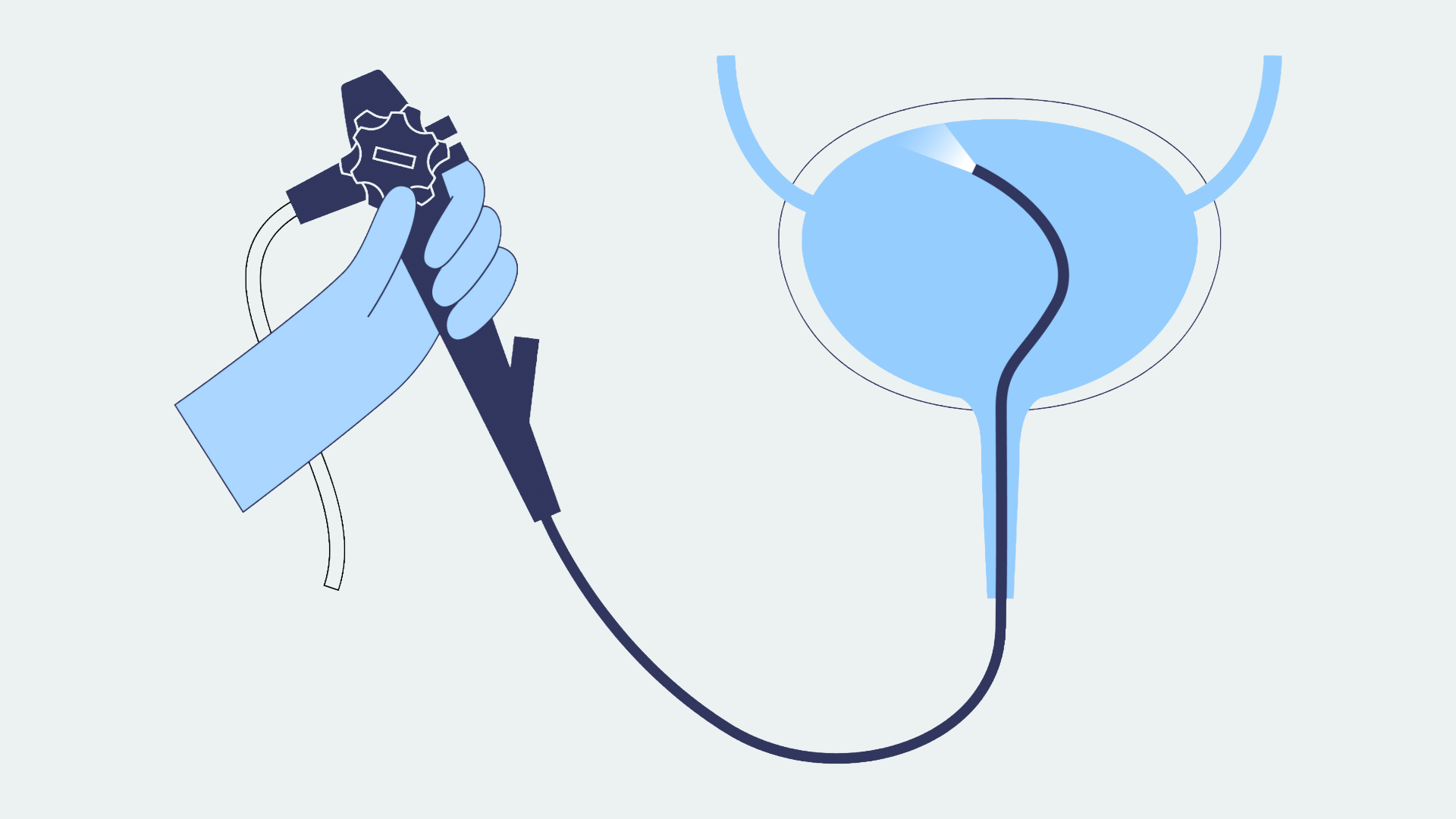
Cystoscopy is a quick, minimally invasive procedure that allows direct inspection of the urethra and bladder using a thin, flexible telescope passed through the urethra. It is usually performed under local anaesthetic and takes only a few minutes. Cystoscopy is an essential test for investigating blood in the urine, recurrent infections, bladder irritation or unexplained urinary symptoms. Most people experience only brief stinging during urination afterwards, which settles within 24 hours, and normal activities can be resumed the same day.
Patient information leaflet:
https://www.baus.org.uk/_userfiles/pages/files/Patients/Leaflets/Flexible%20cystoscopy.pdf

Green Light Laser Prostatectomy
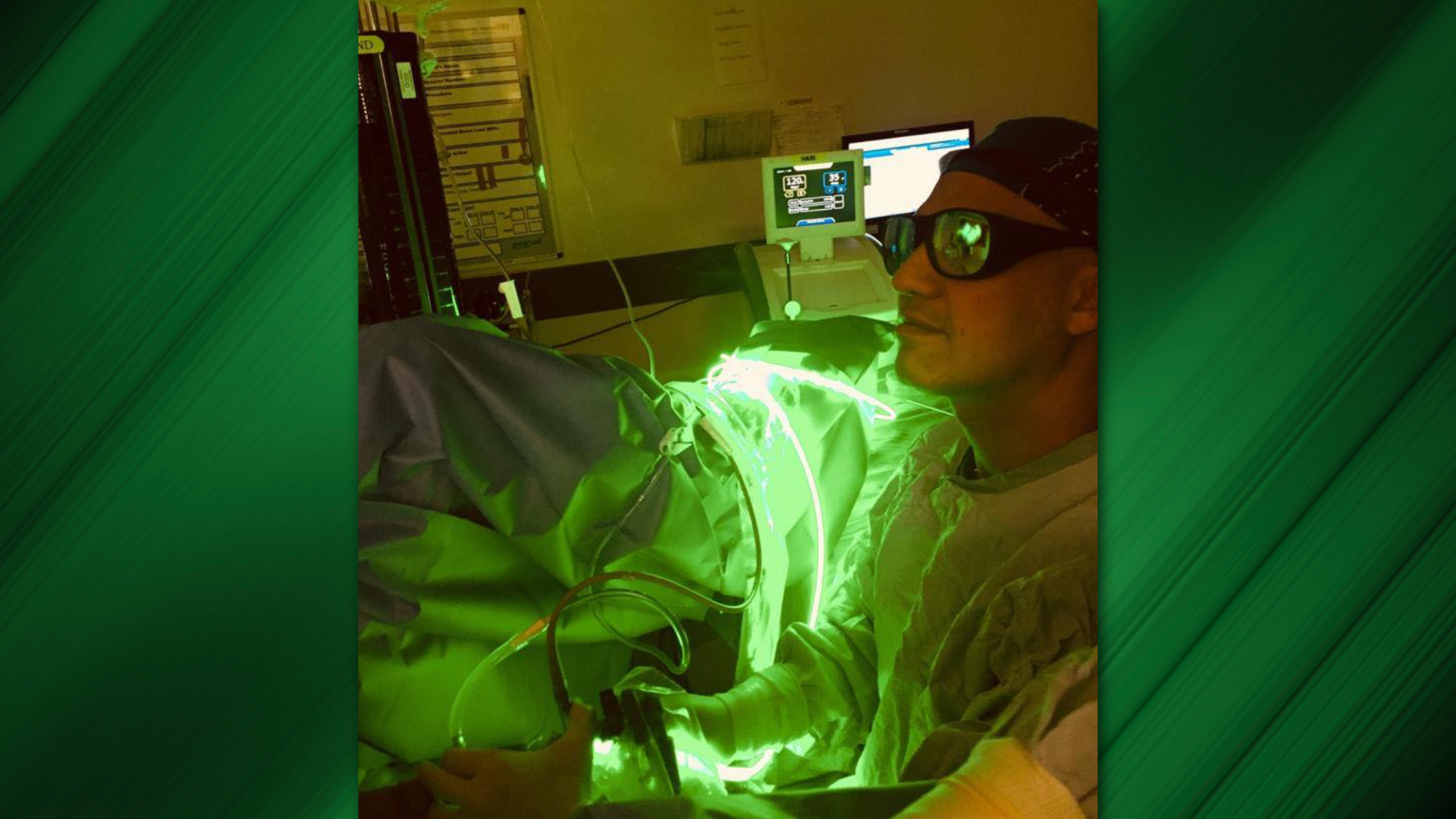
Green light laser prostatectomy (sometimes called photoselective vaporisation of the prostate or PVP) uses a high‑energy laser to gently vaporise excess prostate tissue and relieve obstruction. The laser seals blood vessels as it works, resulting in minimal bleeding and often allowing the procedure to be performed as a day case. It is particularly suitable for men on blood‑thinning medication or those seeking a quicker recovery. The technique opens the urinary channel without cutting, and most men notice rapid improvement in urinary flow and symptoms.
Patient information leaflet:
https://www.baus.org.uk/_userfiles/pages/files/patients/leaflets/Greenlight.pdf

Hydrocele Repair
A hydrocele is a fluid‑filled swelling around the testicle that can cause discomfort, heaviness or cosmetic concern. Surgical repair involves making a small incision in the scrotum or groin, draining the fluid and removing or tightening the sac that holds it. It is performed as a day‑case procedure usually under general anaesthetic. Most men experience only mild soreness afterwards and can return to light activity within a few days. The operation does not affect fertility, and swelling gradually settles over 2–4 weeks, with full healing expected in 4–6 weeks.
Patient information leaflet:
https://www.baus.org.uk/_userfiles/pages/files/Patients/Leaflets/Hydrocele.pdf

Prostate Biopsy
A prostate biopsy involves taking small tissue samples from the prostate using fine needles inserted through the skin between the scrotum and anus (perineal area and that’s why the procedure is called transperineal). The procedure is guided by ultrasound and often incorporates MRI information to target any suspicious areas accurately. It is performed under local or general anaesthetic, and most men experience only mild discomfort for 24–48 hours afterwards. Normal activities can usually be resumed the next day, and results are typically available within 1–2 weeks.
Patient information leaflet:
https://www.baus.org.uk/_userfiles/pages/files/patients/leaflets/Transperineal%20biopsies.pdf

Ureteroscopy and Laser Fragmentation of Stones
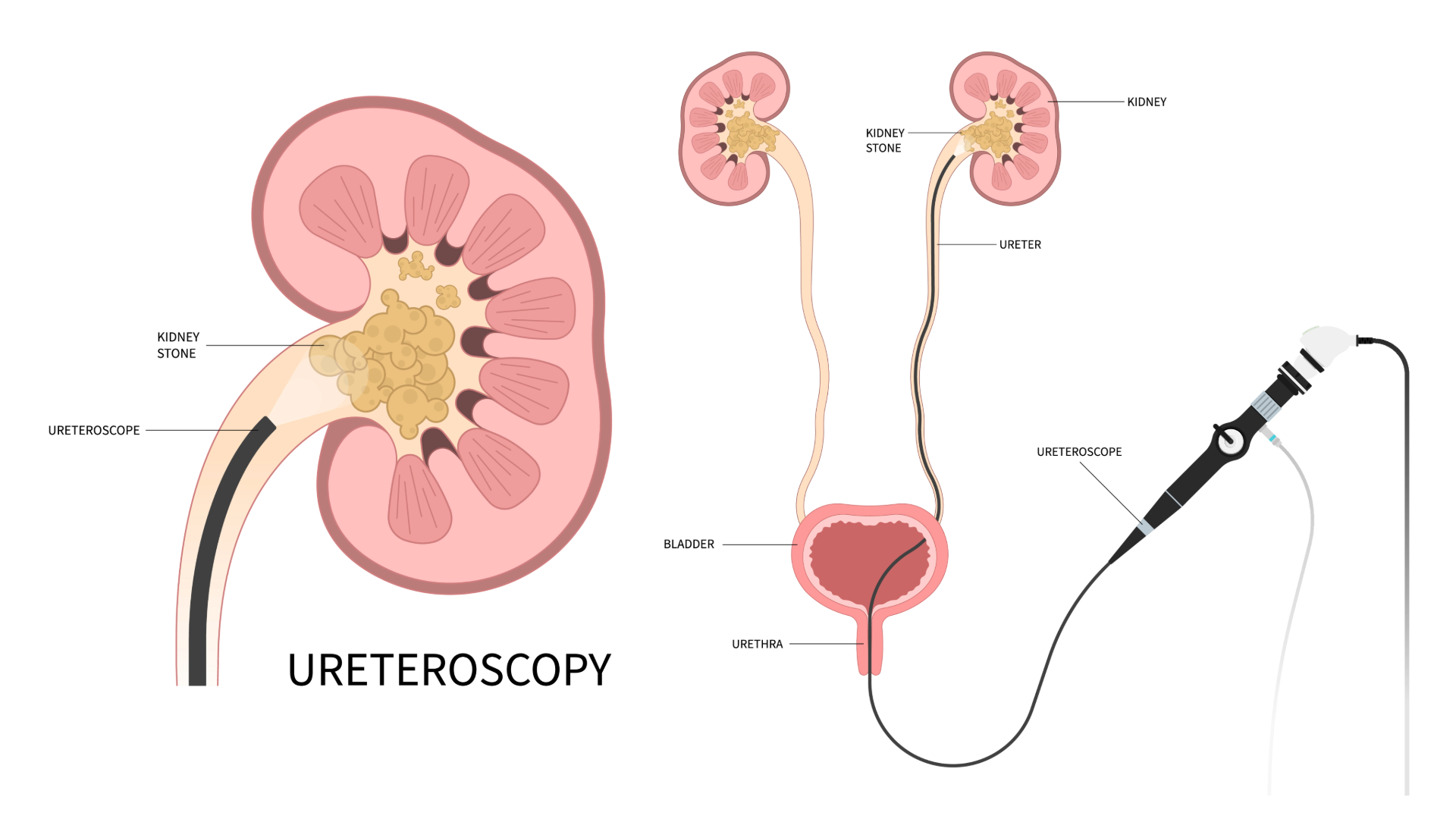
Ureteroscopy is a keyhole, incision‑free procedure used to treat stones in the ureter (the pipe that connects the kidney to the bladder) or kidney. While the patient is under general anaesthetic, A fine telescope is passed through the urethra and bladder into the ureter or kidney, allowing direct visualisation of the stone. A laser is then used to break the stone into tiny fragments, which are removed or left to pass naturally. A temporary stent (a small plastic tube) is often placed to ensure good drainage. The procedure has excellent success rates and avoids the need for open surgery.
Patient information leaflet:
https://www.baus.org.uk/_userfiles/pages/files/Patients/Leaflets/Ureteroscopy%20for%20stone.pdf
UroLift Technique
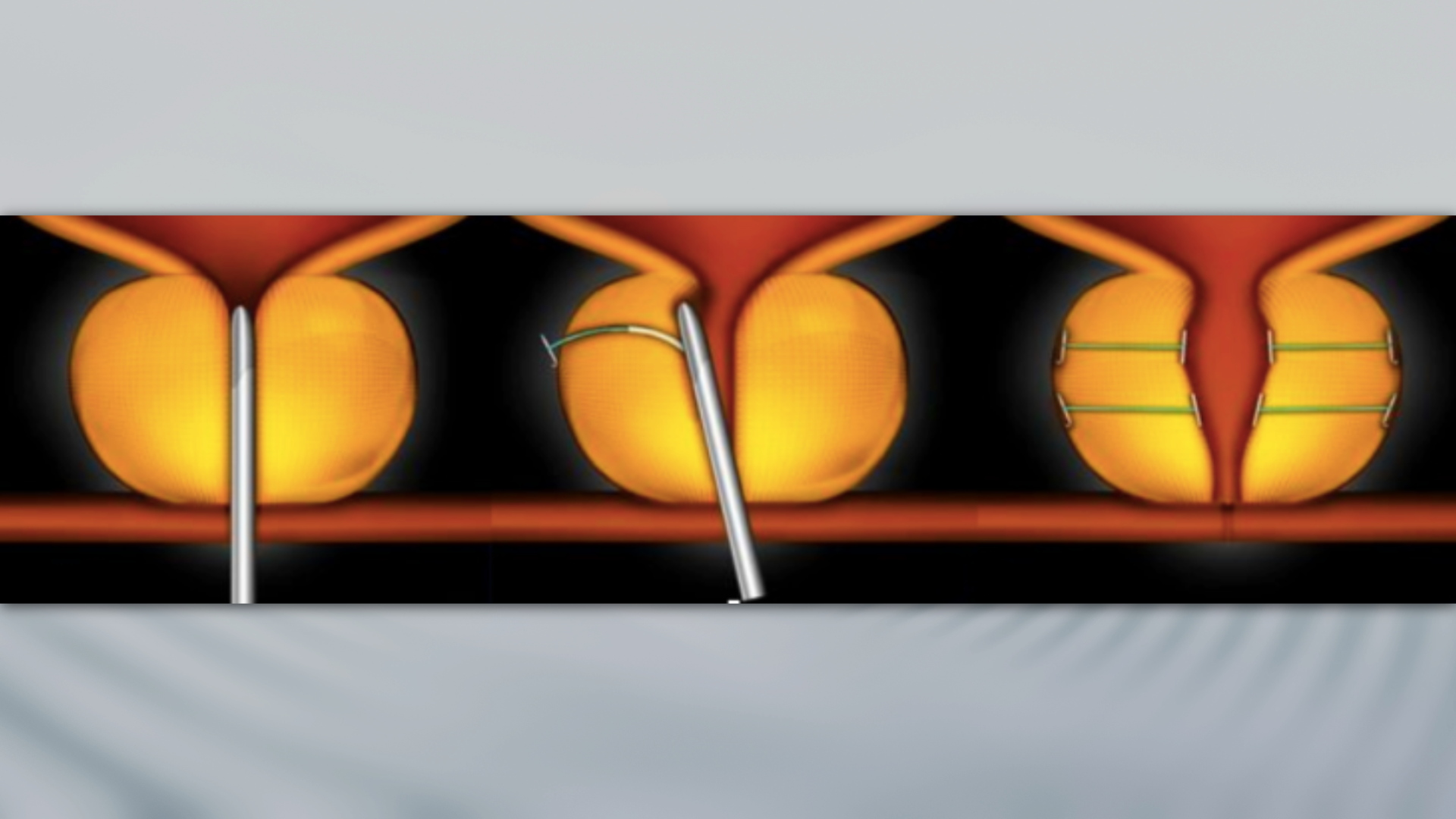
The UroLift procedure is a minimally invasive treatment for benign prostate enlargement that avoids cutting, heating or removing tissue. Tiny implants are placed through a telescope passed via the urethra; these implants pull the enlarged prostate lobes aside, opening the urinary channel. Because the prostate tissue is not destroyed, recovery is rapid and sexual function is preserved. Ιt allows for the faster return to normal sexual activities with lowered side effects.
Patient information leaflet:
https://www.baus.org.uk/_userfiles/pages/files/Patients/Leaflets/Urolift.pdf

Vasectomy
A vasectomy is a simple, permanent method of male contraception. It involves sealing or dividing the vas deferens, the tubes that carry sperm through a small incision or keyhole technique usually under local anaesthetic. The procedure takes around 20-30 minutes and does not affect testosterone levels, erections or ejaculation. It is highly effective and is often chosen for long‑term family planning.
Patient information leaflet:
https://www.baus.org.uk/_userfiles/pages/files/Patients/Leaflets/Vasectomy.pdf