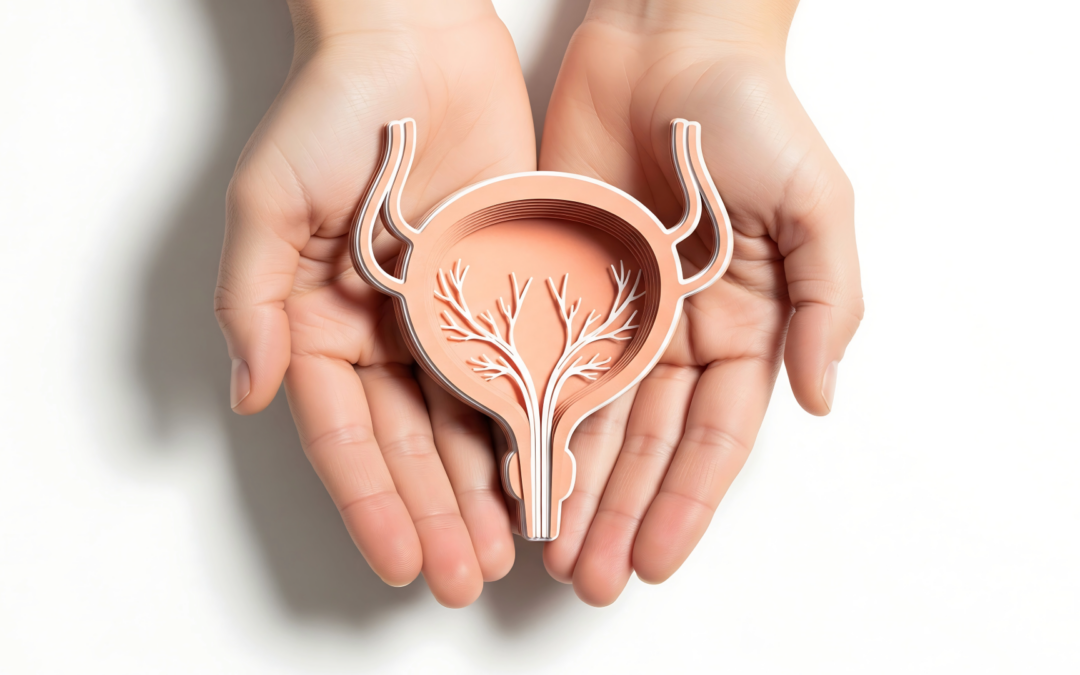
The bladder’s role is to store and expel urine, and good bladder health means being able to do so comfortably without pain, urgency, leakage or recurrent infections. The bladder is a muscular reservoir in the pelvis that stretches to store urine and contracts to empty it through the urethra; its function relies on coordinated activity between the bladder muscle, nerves and sphincter.
Patients commonly attend Mr Charitopoulos’s practice with symptoms such as urinary frequency, urgency, pain, blood in the urine or difficulty passing urine. Common bladder problems include urinary tract infections (UTIs/cystitis), overactive bladder, urinary incontinence, bladder pain syndrome/interstitial cystitis, haematuria and urinary retention. These conditions can affect people of all ages and often have a significant impact on daily life, sleep and emotional wellbeing. Some symptoms may also represent warning signs of more serious conditions that require prompt diagnosis.
Initial evaluation usually includes a focused history, bladder symptom questionnaires, a physical examination and a urine test to check for infection or blood. When symptoms, test results or risk factors suggest more significant pathology, further investigations may be arranged, such as blood tests, ultrasound or CT imaging, or cystoscopy, which allows direct inspection of the bladder. Investigation pathways are tailored to the individual’s symptoms and clinical findings.
Treatment depends on the diagnosis:
- UTIs are typically managed with antibiotics and advice on prevention; recurrent infections may require further investigation.
- Overactive bladder is treated with bladder training, pelvic floor exercises, lifestyle adjustments and medications; more resistant cases may benefit from neuromodulation or intravesical therapies.
- Stress or mixed urinary incontinence is managed with pelvic floor rehabilitation and, when appropriate, minimally invasive surgical options.